Plane-training™
“Rowing harder doesn’t help if the boat is going in the wrong direction.”
— Kenici Ohmae
What is Plane-training™ ?
Plane-Training™ is built on pairing opposite muscle groups in the same workout.When one muscle works, its opposite rests.
For example: Push movements are always paired with pulls. Squats are paired with hip hinges. Instead of exhausting one area at a time, your body alternates between opposing systems.This allows you to keep your strength higher for longer and complete more effective work in the same session.
🟠 Postural Integrity
Pairing opposing muscle groups helps keep the body balanced. Push muscles are trained alongside pull muscles. Squat patterns are paired with core. This supports shoulder, lower back and hip stability — reinforcing posture while you build strength.
🟠 Sustained Performance
When one muscle group works, its opposite recovers. This allows you to maintain strength across sets and complete more quality work within the same session — without extending your workout.
🟠 Balanced physique
Every movement is matched with its counter-movement. Over time, this reduces muscular imbalances and builds a physique that is strong, stable and proportionate — not overdeveloped in one area and undertrained in another.
Benefits of Plane-training™
Smart muscle
Learn the best functional bodybuilding exercises. Transform the whole body quickly by activating large muscle groups, .
Core strength
Core stability and strength are an essential focus of every Plane-training™ workout. Not only does a six-pack look good, but it also stabilises your lower back and reduces back pain.
More muscle = less fat
Building functional muscle with mainly callisthenics helps to reduce fat by increasing your metabolism. When you have more functional muscle mass, you’ll burn fat while you sleep.
Perfect posture
By focusing on shoulder and lower back strength and stability, Plane-training™ is designed to counteract the effects of modern life on the lower back, shoulders and neck from increased screen time.
Full-body
Workouts designed to create a complete physique by building all the major muscle groups: strong legs, powerful upper body and a world-class core.
Fast muscle
By performing bodyweight exercises according to natural movement planes, including dynamic stretching during rest periods, greater training volume is achieved. When you try it, you’ll feel the difference.
Strength + flexibility
Plane-training™ includes dynamic stretching during rest periods to increase mobility gains and build strength in new body movement ranges.
Anywhere, anytime
There are always going to be occasions when we don’t have time to get to the gym. Plane-training™ is a system you can do anywhere, even specially designed workouts with no equipment – just your body.
What makes Plane-training™ different to other workouts?
Power. Strength. Focus.
Mechanical tension.
Explosive force.
Structural balance.
Active mobility between sets — reset position, restore posture, produce more force next effort.
Not fatigue.Not burnout.
Strength that compounds.
Your body is designed to feel great
The big 7
The simple moves that will transform your body

Gait (walking/running)
We evolved over millions of years to run and walk, and it’s one of the most effective full-body exercises for humans. You only have to look at the bodies of runners in the Olympics to see the complete development of the body (yes, even the upper body!). Proceed with caution – too much of a good thing is a bad thing. 30-75% of runners are injured annually, so it’s essential to gain some strength and flexibility before running. Plane-training™ HOME is designed to prepare the body for running. After you complete the four-week ‘Earth’ introduction series, you’ll be able to run more safely.

Squat
Squats facilitate not only full-leg but full-body development by creating an anabolic (muscle-building) environment within the entire body. They work your glutes, quads, hamstrings, calves, lower back, and even your abs.

Lunge
Lunges are a cornerstone of leg training. They increase muscle mass to build functional lower-body strength in the glutes, quads and hamstrings. They also stretch your feet and hip flexors, which can get tight from sitting.
Bend
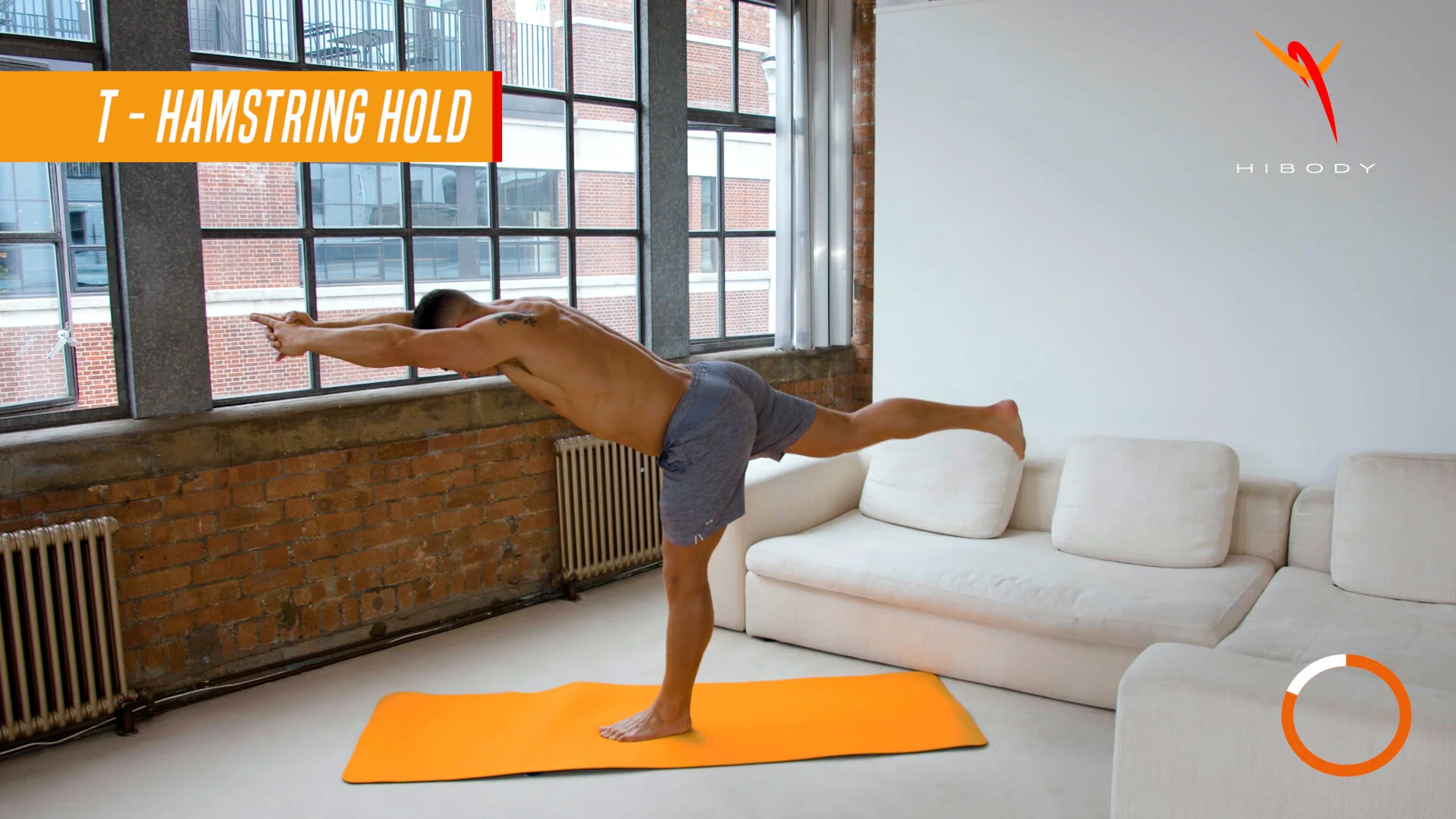
Bend or ‘hip hinge’ exercises can help strengthen your hamstrings and core, alleviating back pain, improving balance, flexion, extension, and rotation of your core. Learning to ‘hip hinge’ improves the deadlift by encouraging spinal awareness; it can also boost your fitness and athletic performance.

Pull
The majority of the muscles used for pulling exercises make up what is known as the posterior chain. This group of muscles predominantly comprises tendons and ligaments along the posterior (back) of the body, including the neck, back, hips, and legs.

Push
A pushing exercise is performed when muscles push weight away from the body during the concentric phase of the movement, then lengthen in the eccentric phase, when the weight is moved back towards the body. Pushes work the chest, shoulders and triceps.

Twist
Twisting may be considered one of the most important and neglected functional movement patterns in this list. The ability to generate and transfer power in the torso concurrently originates from the core. The core includes the muscles of the abdominals, lower back, pelvic floor and hips. In the simplest terms: rotational training = core training = total-body power training.
Now you know the best moves to transform your body. How do we combine these movements into a routine?